Sunday talks
What have we been talking about at Severn? Browse our latest box sets here…
Podcast player
Want to listen to our talks on the move? You can use this player or find us on Spotify or anywhere you get podcasts - search “Severn Church, Bristol”
recent Talks
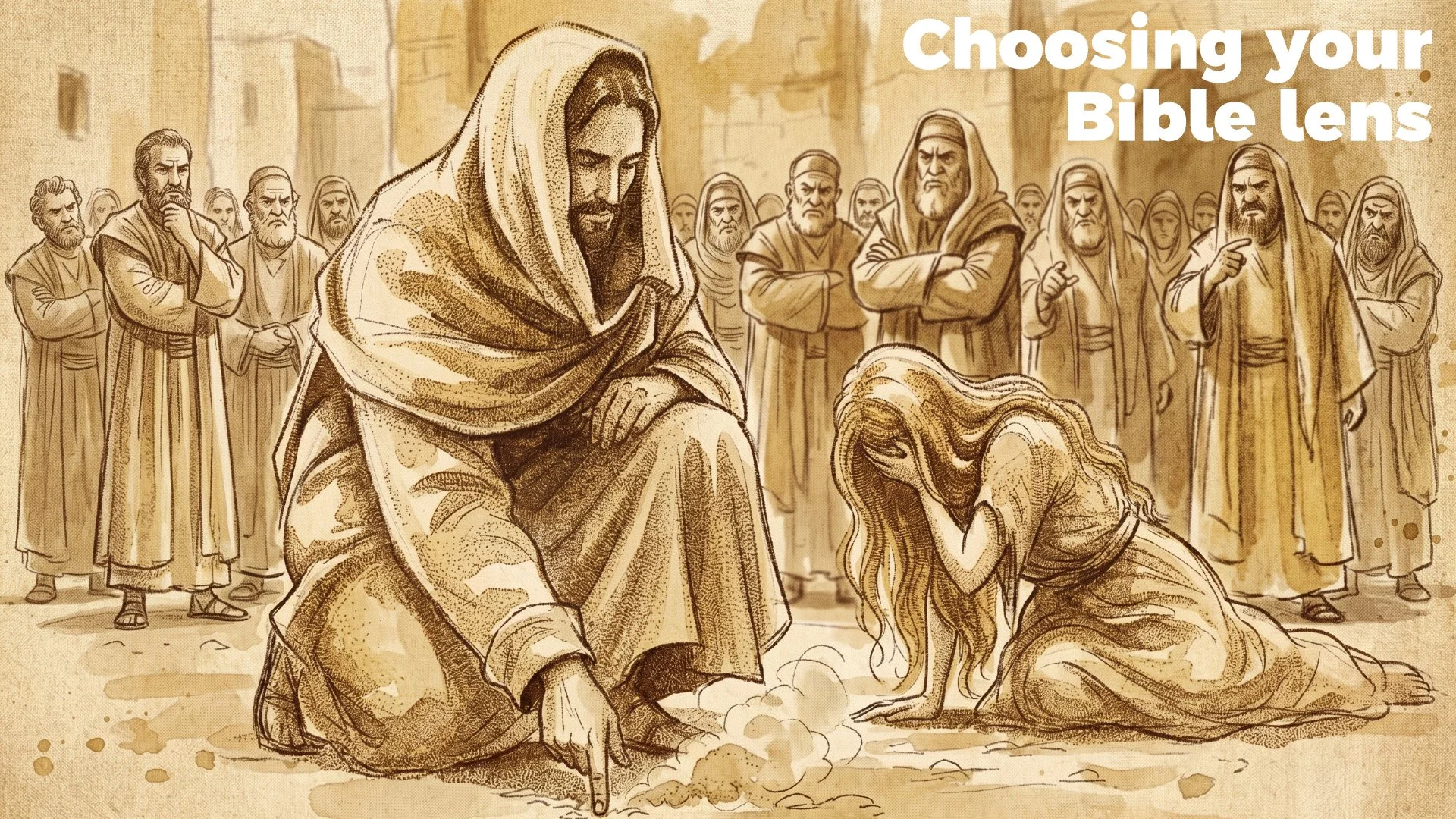
How does the way we look at the Bible change what we think it means, and how we live as a result? Stephen Welbourne takes inspiration from Zach Lambert’s “Better Ways to Read the Bible” and Danielle Strickland’s “Right Side Up” podcast (from April 27th 2026), and looks at what happened when Jesus met a woman accused of adultery. This story has been seen in lots of ways. If it can help us to see Jesus’ approach, it can also help us to treat people and brokenness effectively and avoid weaponising religion. What stands out to you from this story?
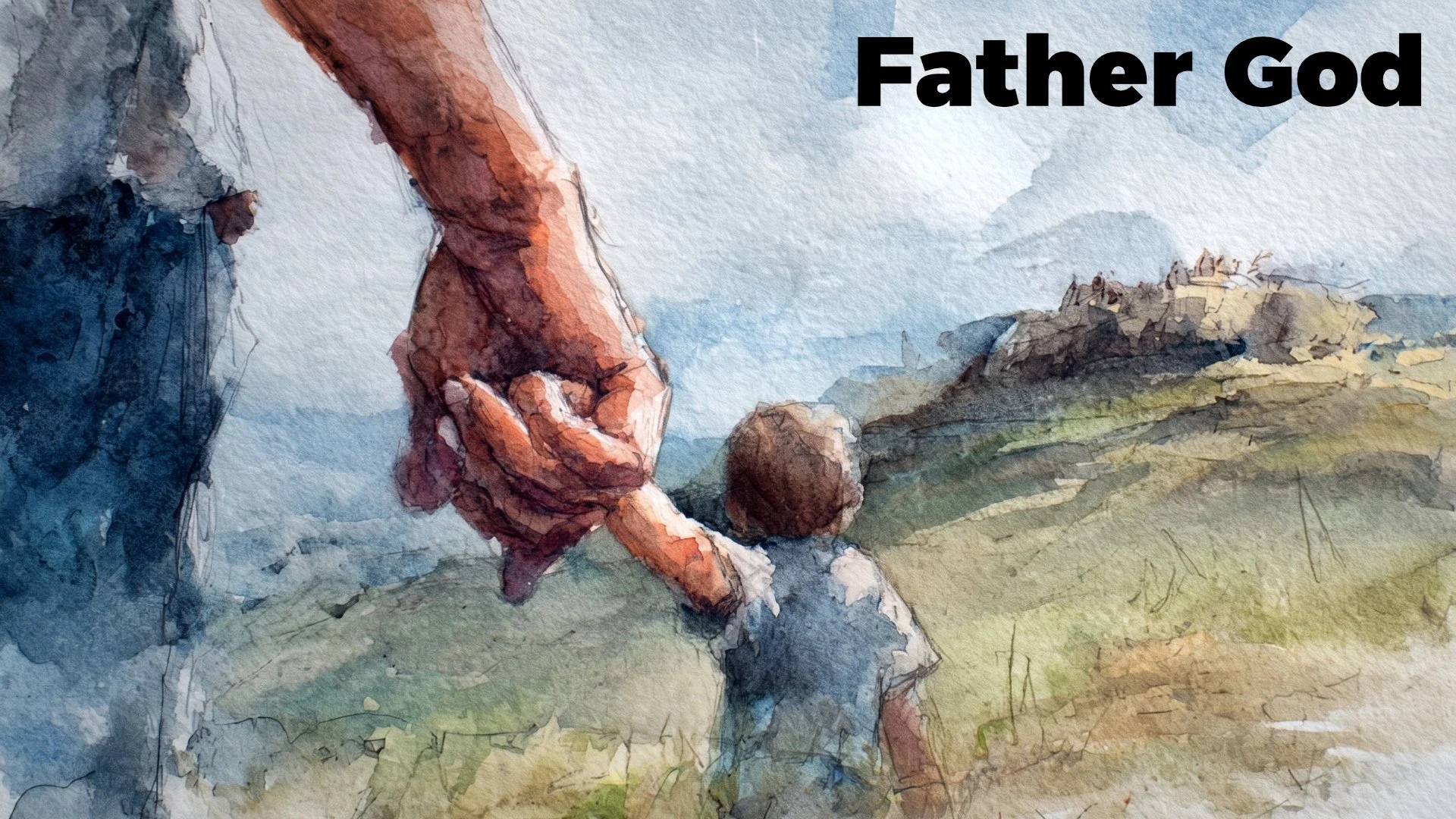
What does it mean to think of God as father? Kyle Henderson-Begg brings his experience of mixed feelings about this and considers the importance of relationship to us and, according to the Bible, to God. Can a fresh look at how and why God is described as a father, together with our experience of God today, help to heal any hurt that arises when we think of a father God?
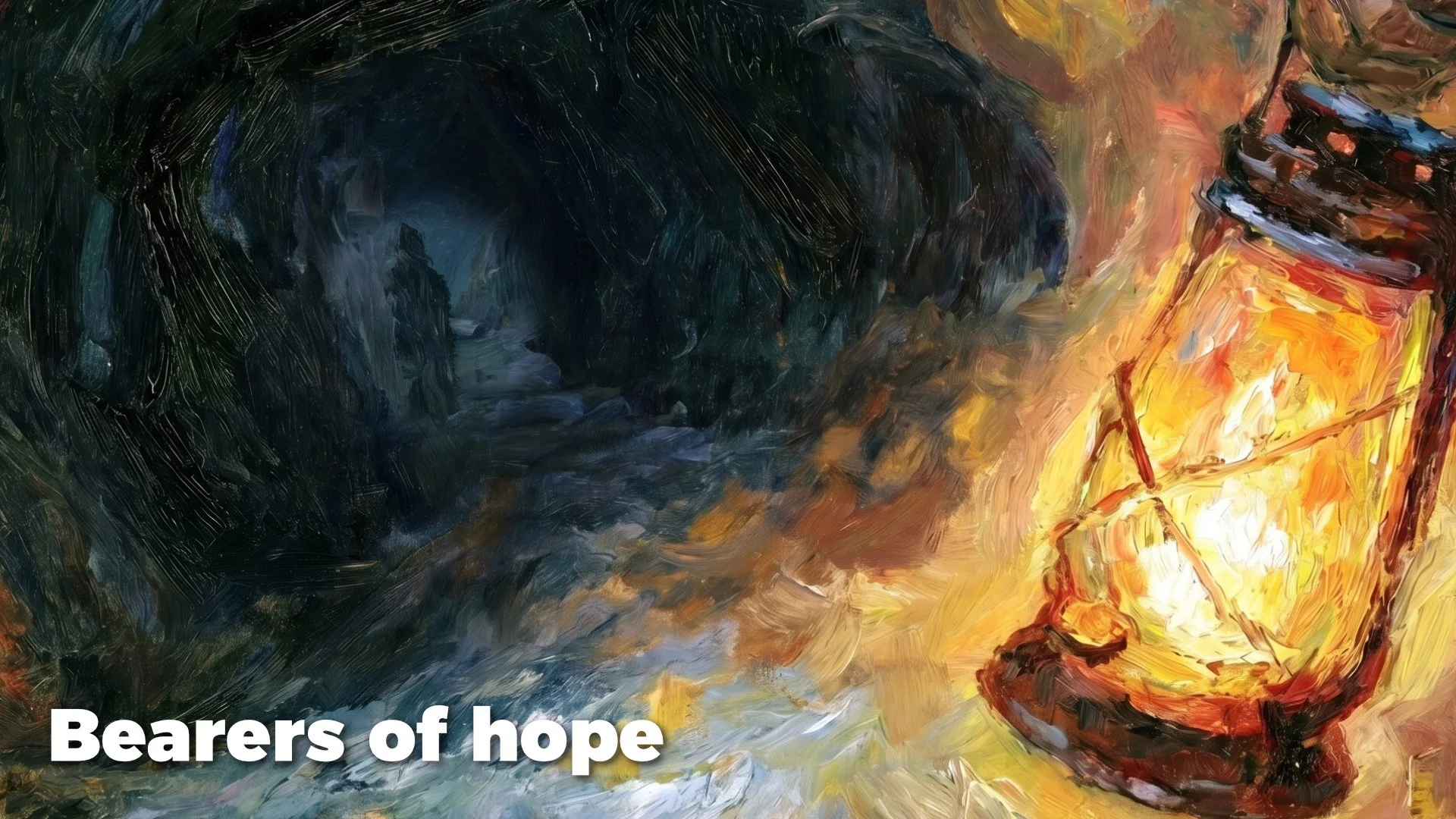
How can we bring hope where we live? David Jennings shares his experience of life in Bristol meeting people in difficult situations and trying to share God's love with them. It can sometimes feel like our faith life is purely personal, and it's good to remember how much God love us. But is this comfort only part of the life God wants for us? Can we believe that it's possible to share in suffering and bring hope and life too?
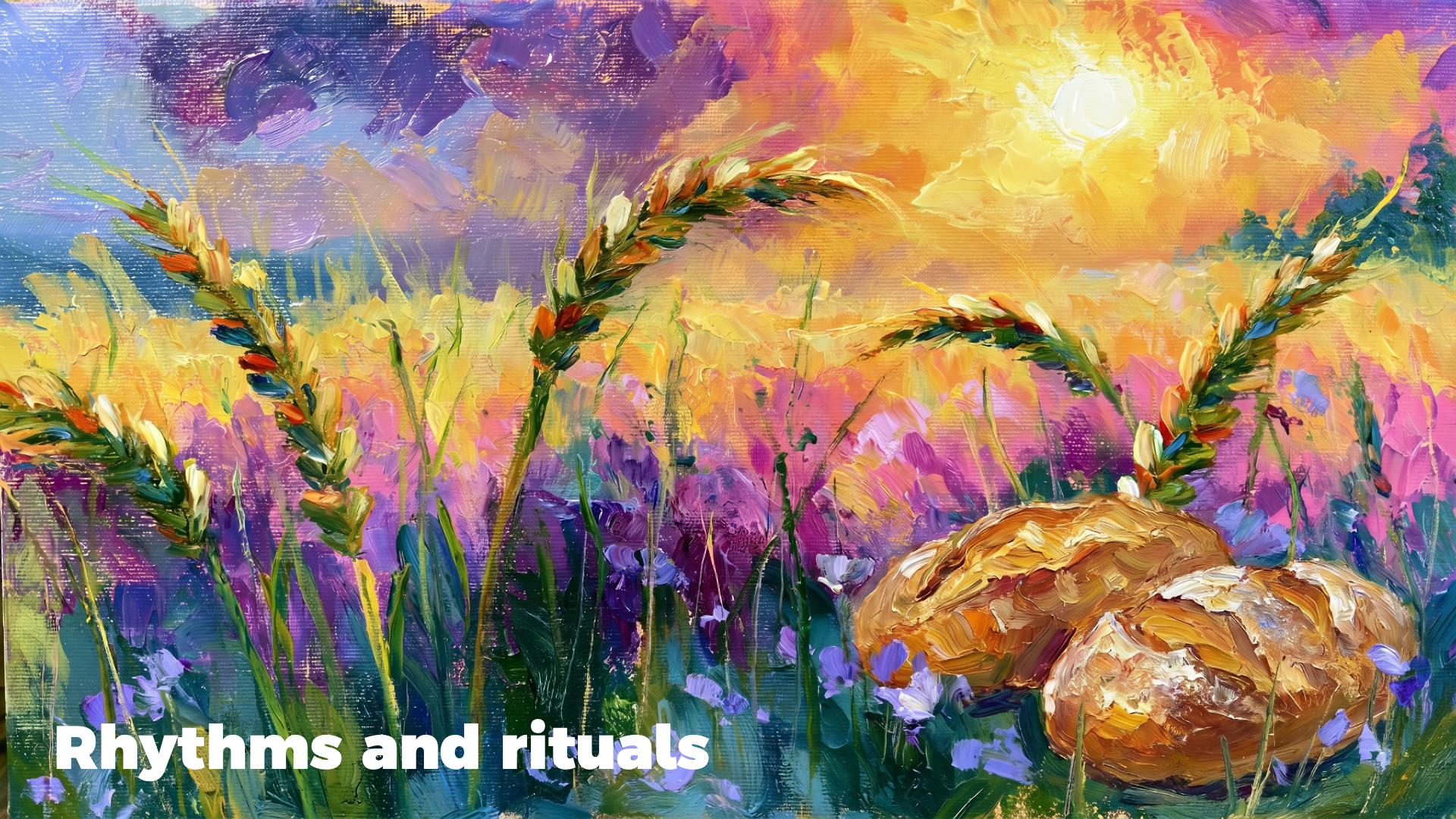
What does it mean to celebrate things that grow slowly? Owen Lynch looks at the Jewish festival that marked 50 days after Passover. In the time since offering first fruits of the harvest to God, more crops had grown and matured, and bread could be made that had time to rise. Offering this to God showed thanks for his provision of things that took time to get right. How often do we appreciate these things more than what we can get instantly, on demand, for ourselves?
Pentecost also used to be understood as a celebration of the nation-defining law given to Moses so Jewish people could grow. Christians remember the Holy Spirit given to believers at the time of this festival too. What does God want us to know about what can happen when we let this Spirit define us and grow fruit slowly in us?
BINGE OUR recent box sets
Rhythms and rituals
What does it mean to celebrate things that grow slowly? Owen Lynch looks at the Jewish festival that marked 50 days after Passover. In the time since offering first fruits of the harvest to God, more crops had grown and matured, and bread could be made that had time to rise. Offering this to God showed thanks for his provision of things that took time to get right. How often do we appreciate these things more than what we can get instantly, on demand, for ourselves?
Pentecost also used to be understood as a celebration of the nation-defining law given to Moses so Jewish people could grow. Christians remember the Holy Spirit given to believers at the time of this festival too. What does God want us to know about what can happen when we let this Spirit define us and grow fruit slowly in us?
How can celebrating and giving the first part of our year’s grown food be helpful to us? Owen Lynch looks at the festival of Firstfruits, given in the Bible for Jewish people to mark a few days after Passover. It recognises how a food-growing community that has gone through a season where nothing grew could look forward to more fruitful life ahead. They didn’t wait for the whole year’s harvest, but made offerings from their first fruits in faith that new life had overcome the threat of death. What difference could that kind of faith make to us, and how can we practise it?
What is so important about rest? Owen Lynch looks at what it meant for God’s people to be told and shown how to rest together, and what might be good for us to learn from this too. What difference would it make for us to create space for our own ways of practising a Sabbath rest, and how could we make a start?
How do we find meaning in life through what we regularly do? Owen Lynch looks at the role of repeated patterns, habits or rituals in diverse places, from the minds of sports stars to the tables of families. God's people have also been encouraged for centuries to remember who we and God are to each other through shared festivals with meaningful meals. This year, people at Severn can expect to share the Lord's Supper regularly, and we remember what this means - Jesus' life, given for us - as we share it today.
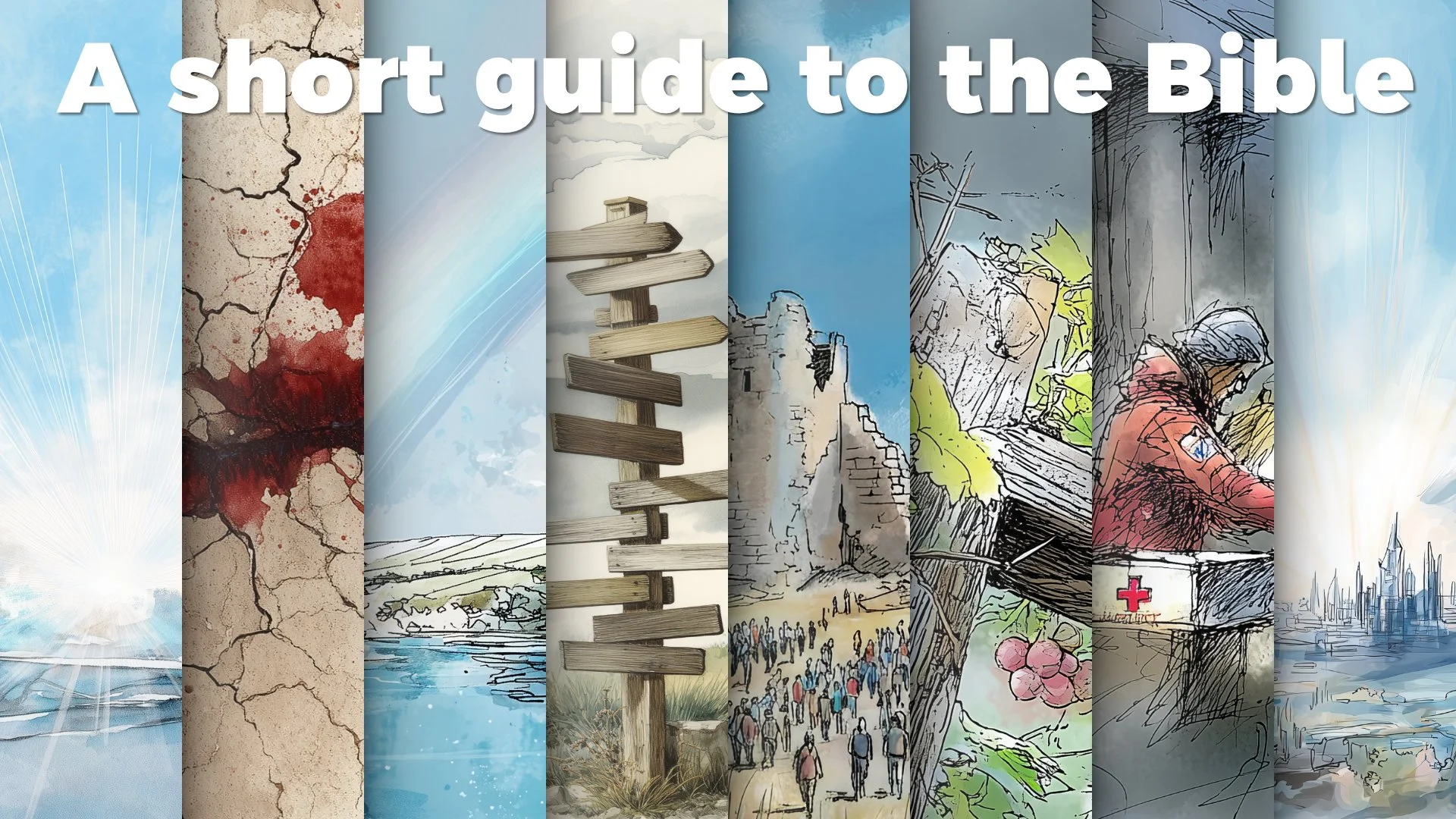
A short guide to the Bible
What is the Bible, how did we get it, and what is it for? Claire Lynch looks at how the different genres, stories and conversations in the Bible fit together into something which has conveyed truth to people for thousands of years - as long as they knew how to interpret it. How can we do this today?
How can we get to grips with the Bible and what it means? Claire Lynch looks at how it fits together lots of stories as part of one big story of life, purpose, relationships, struggles, suffering, hope and fulfilment. Can looking at the Bible as a box set with recognisable episodes help us to explore it and connect it with our lives today?
A community of hope
How do we know from Acts that the revolution brought by the Holy Spirit is surprisingly inclusive? Owen Lynch concludes this series with reflection on views he grew up with on what it meant to be Christian, and what he thinks and feels about this now.
The story of Acts shows the spread of God’s kingdom beyond the boundaries set by religious and cultural expectations. Towards the end, Paul’s party encountered people who had no stake in Judaism or the dominant cultures of Greece and Rome. Was Paul bringing the Holy Spirit to them, or finding that the Spirit was already there? What does this mean for our part in this revolution of love, and what kind of inclusion we can expect?
What is God like?
What is God like, and how can we know? Claire Lynch starts a series of talks looking at this through experiences and shared stories, including a story Jesus shared about people entrusted with resources and asked to make the most of them. What would happen if they responded in kind with trust and faith, and what would happen if they didn't? Can we see these different ways of life in us, and could choosing to live with more trust and faith bring us closer to knowing God?
Special features
Find more on our page for guests and standalone talks.
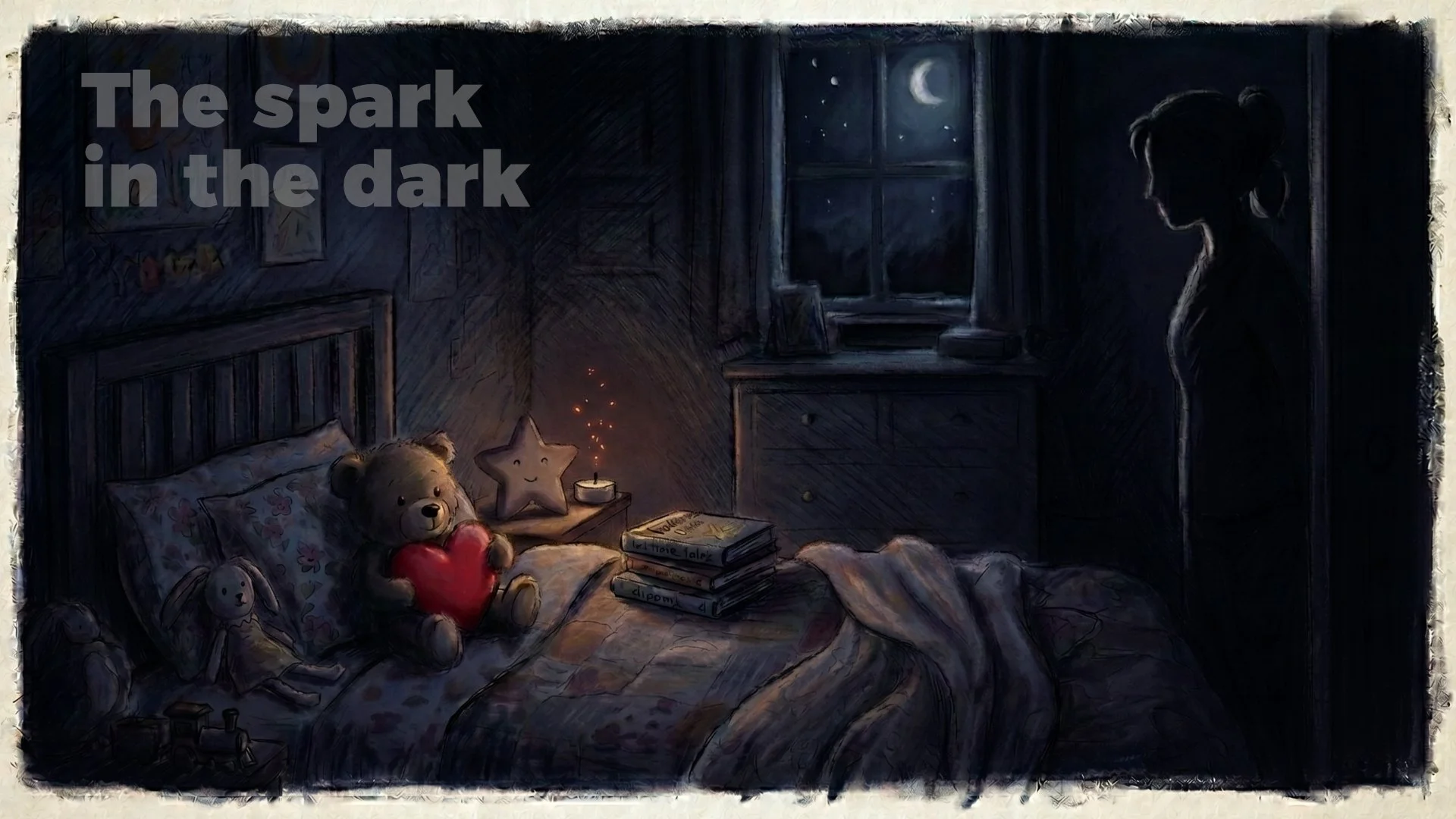
When life looks dark, what happens when light surprises us? Marie-Anne Joiner shares experiences of finding joy in difficulty and mystery, and how this can fuel creativity we all have. Everyone has stories worth sharing, but how do we find them? Can we learn to make space and silence to notice the fullness of God’s presence, like stars in the darkness?
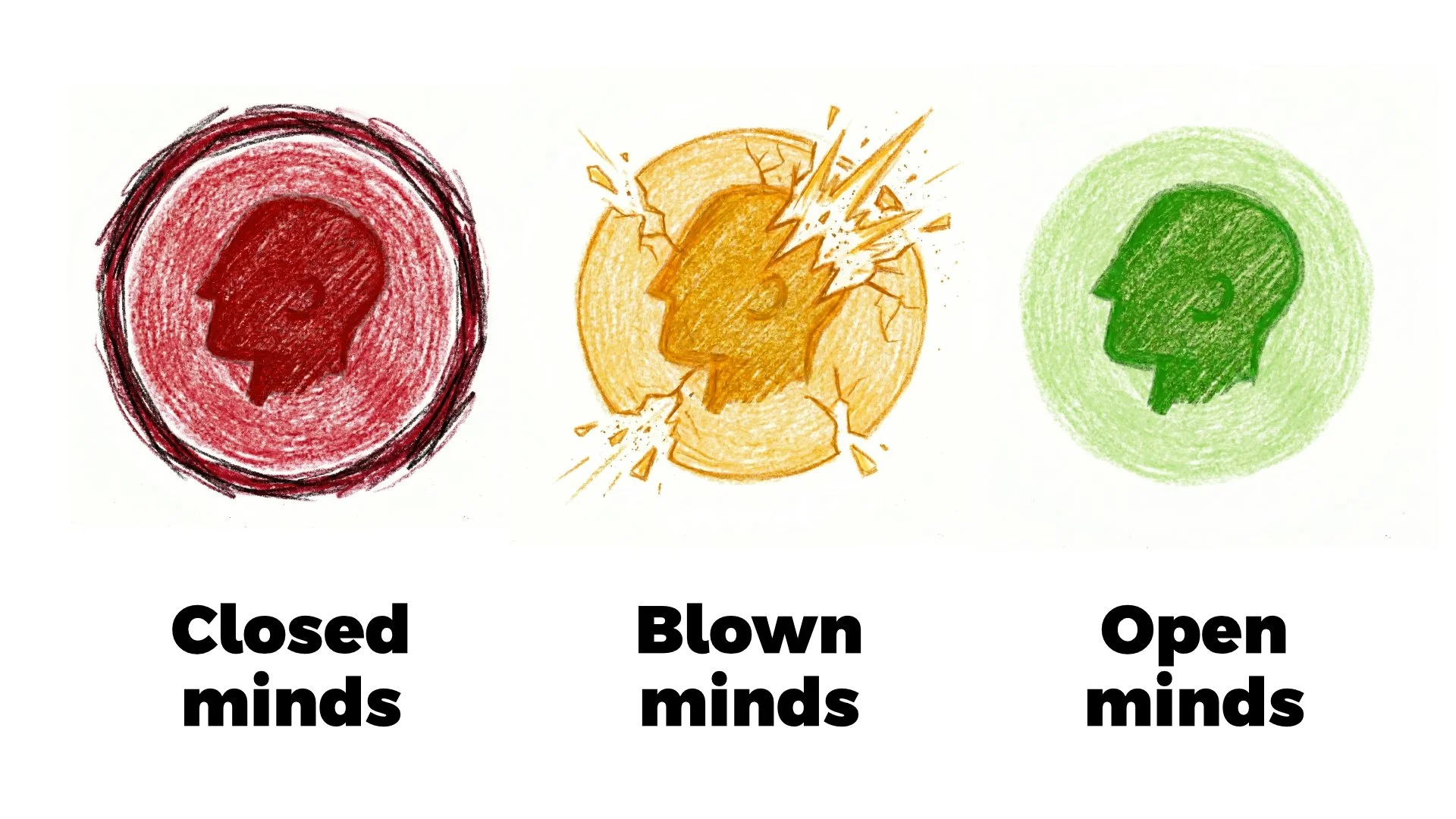
What difference does our state of mind make when we see new things happening? Karen Green shares experience of life in Bristol and looks at stories of people around Jesus who looked at God’s coming kingdom in different ways. Can getting to know Jesus better and growing our faith in him change the way we see the world, and develop open minds to new possibilities?
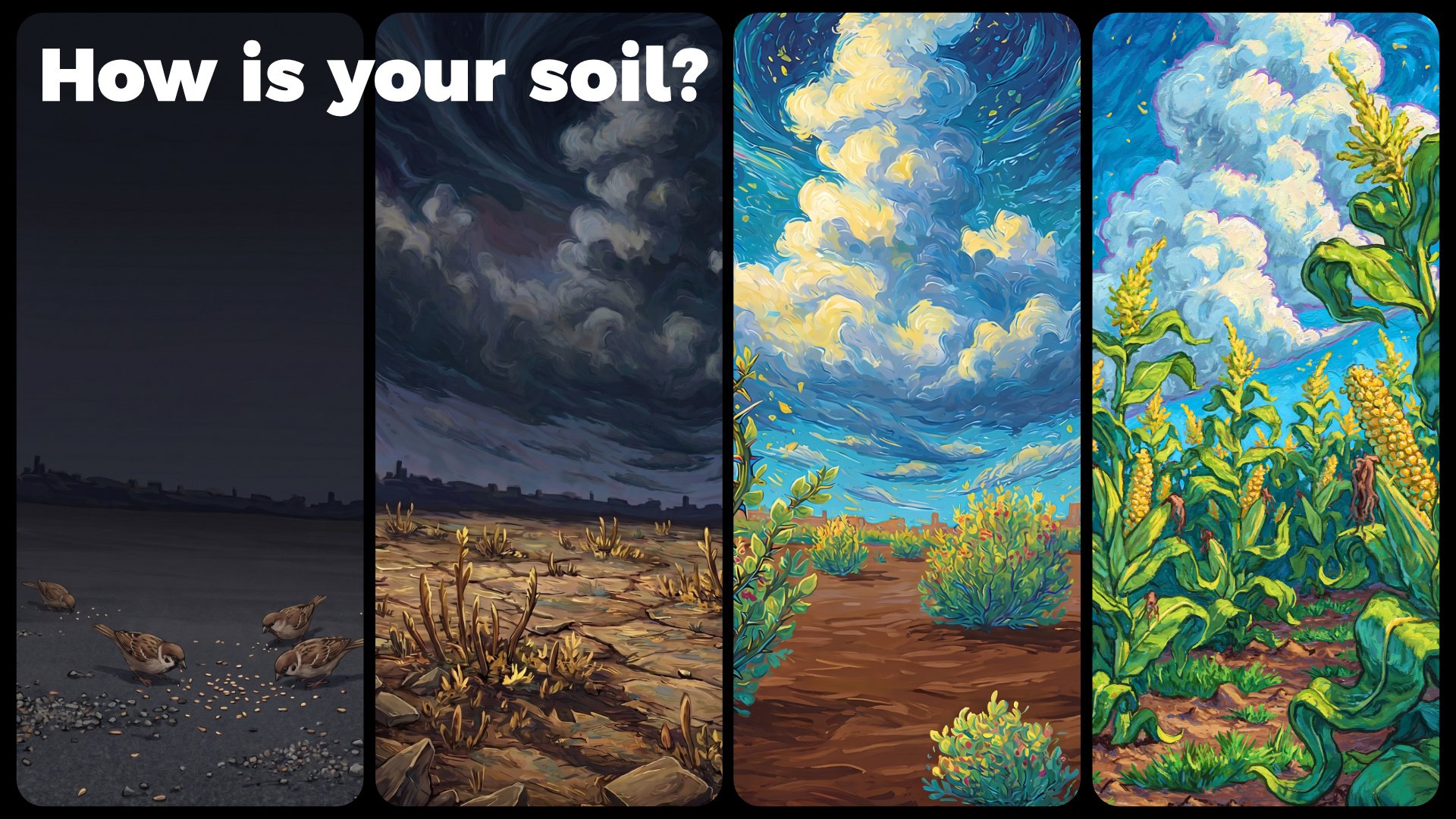
What difference does the state of our hearts make to how we receive, process and grow with words from God? Kyle Henderson-Begg looks at Jesus’ parable of the sower, and what it meant for their seed to be everywhere but growing differently in different places. What does good growth look like, and how can we see more of it?
What difference does sharing vulnerability make? Looking at examples from the Bible and stories of experience today, we look at how willingness to show where we are imperfect or need help can transform us and our relationships.
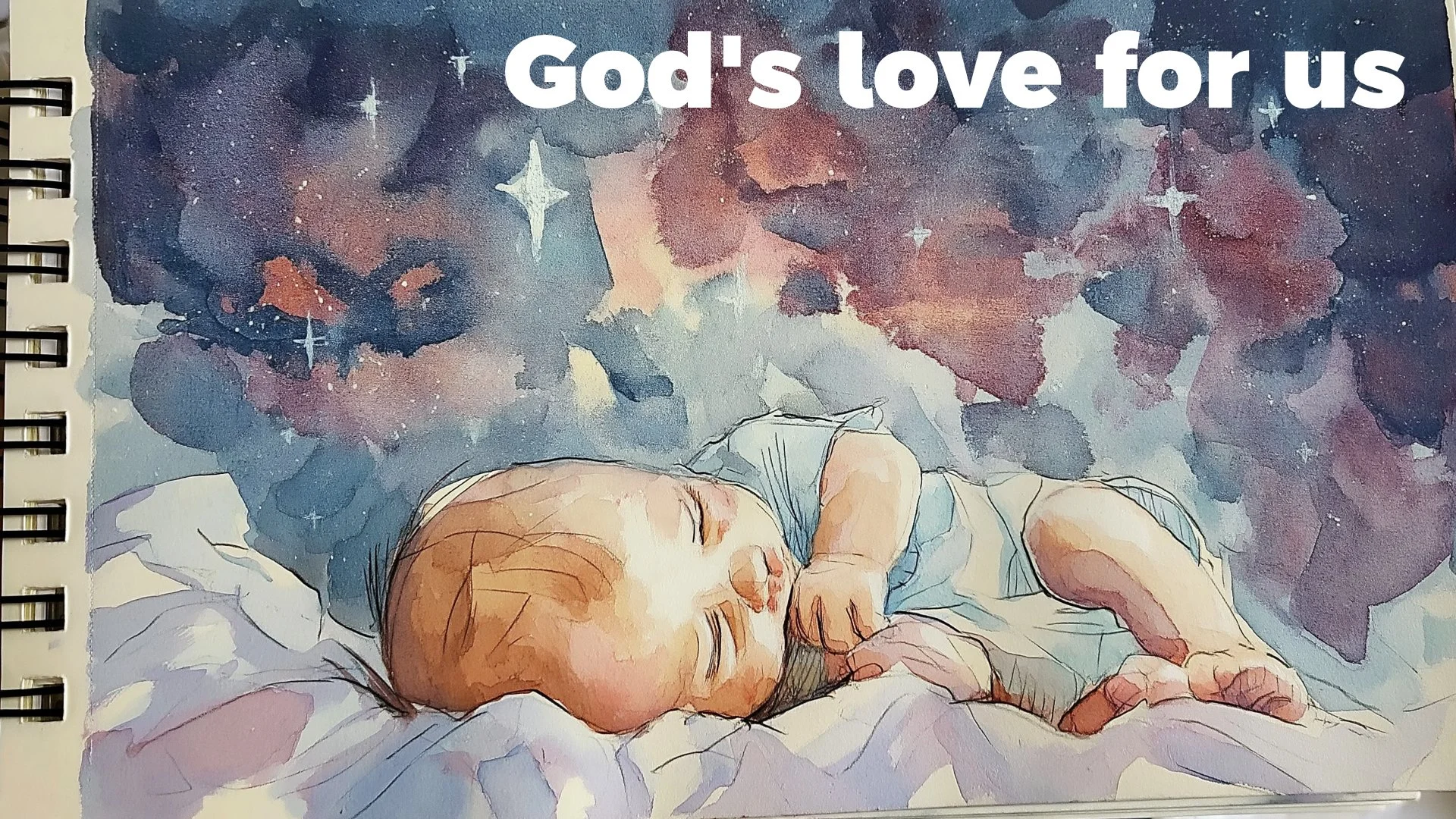
What does love from God mean for us? Jason Whiley shares experience of receiving, living in and sharing love from God, and looks at passages from the Bible including Psalm 139 which show how others have seen this too.
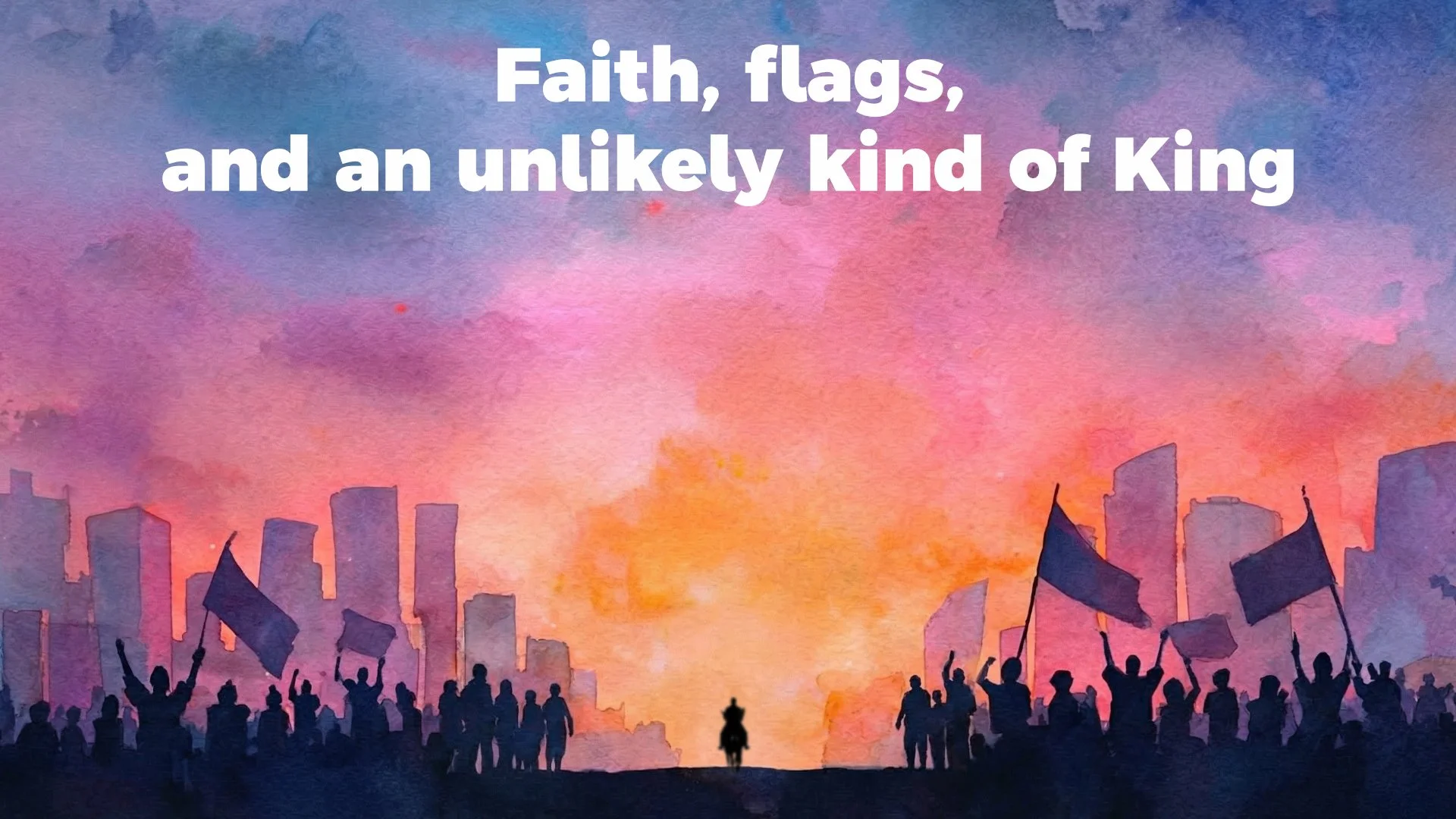
What do we expect from God’s kingdom and Jesus as King? In this Palm Sunday talk, Dan Green looks at what the crowd who welcomed Jesus into Jerusalem hoped and believed might happen, and how they would have been shocked by Jesus and what would happen next. Similarly, when crowds gather today with faith, flags and the nation in mind, does Jesus fit expectations? What do we expect from Jesus?
Why can it feel awkward to think or talk about being “redeemed” or “saved”? Kyle Henderson-Begg looks at how we can understand this better by getting to know God’s love, his long-standing promises and the person and work of Jesus.
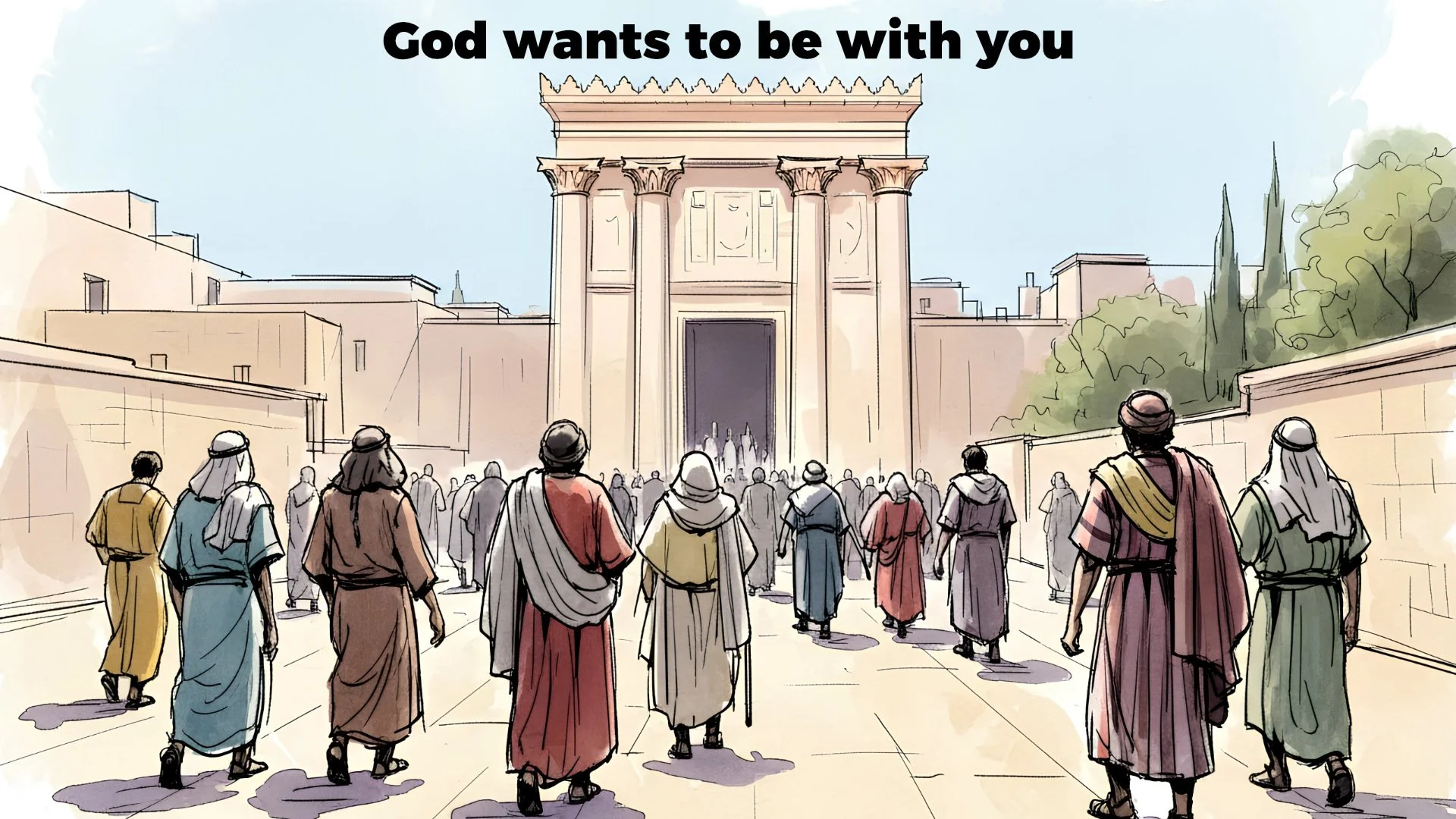
What is worship all about? David Jennings looks at how important it has always been for God's people to worship, how this has been reflected in buildings and structures, and how these give us a meaningful picture today.
Where are we as a church, what makes us who we are, and what are we looking forward to in 2026? Owen and Claire Lynch share how Severn is an inclusive community of friends where all people are welcome to encounter Christ Jesus. If you would like to know more about giving to Severn, see our Giving page.
What might God have prepared you for this year? The story of Esther describes a woman in an unusual work situation, picked out by leaders with their own purposes in mind, but seemingly placed by God for an unimaginably important role.
Jewish people regularly celebrate this story and credit God, who is not directly seen in it, for saving and supporting them through Esther's faith and faithfulness. Can we also discern purpose from God in our work, family or community?
Can God speak to you through pictures? Find out with this approach to prayer and meditation.
What does it mean to be fully known and loved by God? Can we trust that this is a good thing for us? Karen Green looks at how her understanding and experience of God have grown over years, and considers Psalm 139’s reflection that trusting God and growing a relationship with him can lead to intimacy and the release of anxiety. Can this help us to grow in love for people and enjoy a better quality of life?
To celebrate Severn’s 16th birthday, people from the church reflected on what they could see God doing with them, individually and in relationships, community, work and the rest of life beyond church gatherings. Some common themes emerged, including the growth of spiritual fruit like love, joy and patience when dealing with difficult situations, and many from the church contributed to a video about how we see the extraordinary in everyday life.
Can a garden show us what God wants from us? Phil Joiner shares his experience of life at different paces, with various demands and expectations, including guilt about not doing enough. But does God have a different way of looking at productivity that is less about our industrial machinery and more about what happens naturally in a garden across different seasons? How much of this do we control? And what is God really looking for in our lives?
What can happen when we make space for God’s presence and let him speak to us? Claire Lynch leads a service which includes worship, prayer and meditation on the theme “The loving gaze of God”, and invites participants to see what grabs their attention.
Archive box sets
Spiritual and Emotional Health
What do we need for healthy spiritual and emotional life? Owen Lynch looks at the links between spiritual and emotional health, what we see happening on our surfaces and what might be going on beneath. What can we do to get a better understanding of what’s formed us and how can we deal with stress, pain and - when needed - change?
What the gospel means to me
Gospel means “good news”, but what about the message or experience of following Jesus is good news to us? Jess Pedersen begins a new series of talks about how we have personally received ideas from or about Jesus and found them to be positive and life-changing. Jess considers encouragement from the Bible about talking to God with the expectation that he hears, knows and loves us like a father. It’s good news that we can approach God as family, but what can we do when we believe that?
Who is Jesus?
Why do we value love so highly, and does it have a source we can identify? This talk by Owen Lynch begins a series looking at Jesus through Mark's gospel, which is thought to be based on Peter's eyewitness accounts. At the start of this gospel, Jesus' arrival seems to remind people of the beginning of the world and life itself. The relationship between Jesus, Father and Spirit could suggest that God isn't just loving, but is love itself. Could getting to know Jesus and seeing love in action connect us with the source of love?
Questioning our assumptions
What happens when life makes it hard to believe in God? In this talk, Owen Lynch looks at crises of faith and identity which can arise in difficult times, perhaps because our faith expectations don’t match the reality of the world around us, or when the church seems to be offering easy answers which seem wrong, insensitive or even offensive to us. Have we undervalued questions, debates and doubts? What can we learn from Paul, whose personal crisis of faith and identity made him change when he met Jesus?
My favourite Jesus stories
What can you do that you love to share? In this talk, Bern Leckie looks at Jesus’s story about people trusted with incredible resources that they managed to multiply. It’s described as money, but is it really something else? What if we can overcome the things holding us back from sharing our talents, like comparing ourselves with others, and what if we can’t? Can this warning and encouragement from Jesus help us to grow good things in our relationships and ourselves?
Psalm 139
How does it feel to be searched and fully known? Bern Leckie reflects on the experience of being found out for things we'd rather hide, but also known intimately by someone with complete love. King David showed vulnerability in his relationship with God, and ultimately found this wonderful and liberating. Can we share in his experience?
Mending the Divides
How much racial injustice do we see, and how can we respond? In this talk, Dan Green looks at racism in our past and present, the events which may have made us more aware of it recently, and some practical steps we can take to change, listen and build better relationships for the future.
Did Paul really mean that?
Could your life be changed by an encounter with Jesus? In this talk, Owen Lynch looks at what happened with Saul, a devout religious teacher whose view on life was changed by meeting the risen Jesus in the original “road to Damascus” moment. Saul became Paul, who is often misunderstood today, but can we understand more, and even live better, by encountering Jesus for ourselves?
Everything else…
Search here or browse the archives by year below